Sofia Regular Embroidery Font: A Craft Fair Review
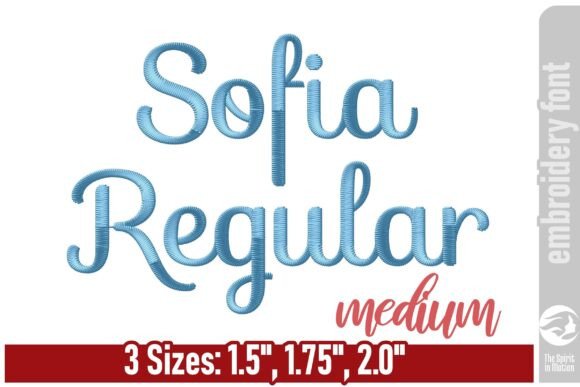
As I prepare my booth for the upcoming weekend craft fair, my table is covered in prototypes. There are tote bags waiting for names, aprons needing witty sayings, and stacks of tea towels ready for personalization. In the world of handmade product sales, first impressions happen in seconds. Customers walk by, glance at your display, and decide whether to stop. This is why choosing the right machine embroidery design is not just an artistic choice; it is a business decision. Today, I am reviewing the Sofia Regular Embroidery Font - Medium to see if it earns a spot on my best-selling items.
First Impressions: Playful Charm Meets Market Appeal
When I first loaded the digital embroidery file for Sofia Regular into my software, the immediate vibe was undeniable. As the description suggests, this font brings a "touch of playful charm." It is not overly ornate like a script font, nor is it rigid like a standard block font. The letters are smooth and rounded, giving off a cheerful, handwritten feel that screams approachability.
For a craft fair product, this mood is essential. Shoppers at handmade markets are often looking for something that feels personal and warm. The Sofia font strikes a balance between modern minimalism and rustic friendliness. It feels soft enough for baby items but bold enough for kitchen decor. If you are an Etsy seller or a boutique maker, this typeface suggests a brand that is fun, creative, and high-quality without taking itself too seriously.
Performance Across Product Lines
The true test of any Embroidery Fonts collection is versatility. Can it handle different fabrics and contexts? I evaluated how Sofia Regular performs across my planned inventory:
- Tote Bags and Market Bags: This is where the medium size shines. On a canvas tote, the rounded letters stand out beautifully against the weave of the fabric. It works perfectly for custom names or short phrases like "Farmers Market" or "Grocery Run."
- Apron Embroidery: Aprons need to be readable from a distance. The open shapes of the Sofia font ensure that even with thread colors that have slight contrast issues, the text remains legible. It adds a professional touch to a utility item.
- Tea Towel Embroidery: Kitchen towels often have a waffle or linen texture. Because this font avoids overly tiny details, it sits well on textured surfaces without getting lost. It makes a simple towel feel like a giftable small shop product.
- Caps and Patches: Curved surfaces can be tricky. The smooth curves of this font mimic the shape of a cap bill nicely. For an embroidered patch, the medium weight provides enough substance to hold its shape without requiring excessive backing.
- Pillow Covers and Pouches: For home décor, the font acts as a focal point. It elevates a plain pillow cover into a statement piece, ideal for customers looking for instant home updates.
Production Practicality for Batch Selling
When you are running a small business, time is money. A design might look gorgeous, but if it takes three hours to stitch one item, it is not viable for a busy market season. The Sofia Regular Embroidery Font - Medium appears to be optimized for efficiency. The lack of intricate fill patterns inside the letters suggests a manageable stitch density.
This makes it an excellent candidate for batch production. I can easily imagine hooping five aprons at once and letting the machine run while I pack orders. Furthermore, for online listings, this font photographs exceptionally well. The clean lines create sharp edges in photos, making your printable mockup images look crisp and professional. High-quality visuals are crucial for converting browser traffic into buyers on platforms like Etsy.
Careful-Use Notes and Potential Pitfalls
Despite its strengths, every designer must exercise caution. While the font is robust, there are scenarios where it might struggle:
- Dense Stitch Areas: If you choose a very dark thread on a thick fabric, ensure the underlay is sufficient. Without proper stabilization, dense areas can cause puckering.
- Small Lettering: While the "Medium" size is versatile, do not scale this down too far for tiny monograms on socks or narrow ribbons. The rounded connections between letters may merge if reduced below a certain threshold, losing clarity.
- Textured Towels: On highly textured fabrics like looped terry cloth, ensure you use a strong stabilizer. The fabric texture can sometimes distort the smooth curves if the material shifts during stitching.
- Curved Cap Surfaces: Always test on a scrap cap first. The curvature can compress the bottom of the letters, making them look squashed if the digitizing isn't compensated for the curve.
Enhancing Visual Appeal and Brand Consistency
Using a consistent font across your product line builds brand recognition. If a customer buys a tote bag with the Sofia font and later sees a pillow cover with the same lettering style, they immediately recognize your work. This consistency increases perceived value. The cheerful nature of Sofia Regular invites engagement; customers are more likely to pick up an item that looks friendly and inviting.
For commercial embroidery ventures, this font offers a safe yet stylish option. It appeals to a broad demographic, from young mothers to home cooks, maximizing your potential customer base at the fair. It transforms a generic finished product into something that feels bespoke and thoughtful.
Final Designer Recommendations
Before you commit to stitching hundreds of items for your next event, follow these practical steps:
- Test on Scrap Fabric: Never skip the test stitch. Use the exact fabric you intend to sell to check for pull or distortion.
- Check Thread Contrast: Ensure your thread color pops against the fabric. This font relies on shape, so low contrast can make it look muddy.
- Review Spacing: Check the kerning (space between letters) in your software. Some machines may need slight adjustments for optimal flow.
- Confirm Hoop Size: Verify that the medium size fits within your available hoop dimensions, especially for smaller items like pouches.
- Inspect Stitch Density: Look at the stitch count in your preview. If it seems unusually high for a text font, consider reducing density settings if your software allows, to save time and thread.
- Create a Real Mockup: Don't rely solely on digital previews. Sew one real sample to see how the light hits the threads and how the fabric drapes.
- Verify Licensing: Always confirm the commercial licensing terms included with the design assets. Ensure you are cleared to sell finished goods made with this file.
In conclusion, the Sofia Regular Embroidery Font - Medium is a strong contender for any handmade shop owner looking to expand their inventory with charming, sellable goods. Its blend of readability, style, and production efficiency makes it a reliable tool for turning raw materials into profitable craft fair successes. Just remember to respect the limitations of the medium and always prioritize quality control in your final stitches.