Review: Black Illusion Cross Stitch Ornament Art
As an embroidery designer who spends most of my days digitizing logos for small business merch and advising boutique owners on brand identity, I approach every new file with a critical eye. It is not enough for a design to look pretty on a screen; it must perform under the needle, withstand industrial washing, and communicate the right message to a customer. Today, I am reviewing the Black Illusion Cross Stitch Ornament Art, a piece from the Cross Stitch Patterns category by Tango Stitch. While originally marketed as an intricate pattern for crafting stunning pieces, my focus is strictly on its viability for commercial applications like branded patches, uniform accents, and retail packaging.
First Impressions: Elegant, Rustic, and Premium
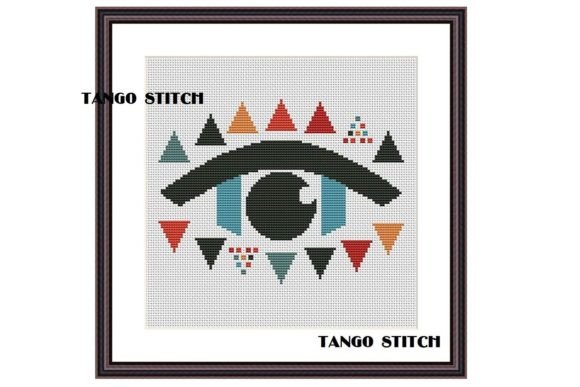
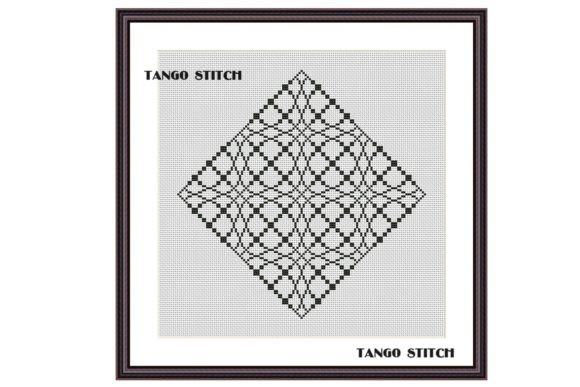
The moment you load the preview for the Black Illusion Cross Stitch Ornament Art, the visual personality is immediately clear. This is not a playful or childish graphic; it exudes an air of elegance and classic sophistication. The "illusion" aspect suggests depth and complexity, likely achieved through varying stitch angles or density shifts that mimic traditional handwork. For a handmade brand, a florist, or a high-end bakery, this aesthetic is gold. It signals "crafted with care" without looking amateurish. The monochromatic black palette gives it a modern, minimalist edge that fits seamlessly into current design trends where less is often more. It feels premium, making it an excellent candidate for businesses wanting to elevate their perceived value through subtle, textured branding rather than loud, colorful logos.
Real-World Business Applications
When evaluating this design for commercial embroidery projects, several specific use cases stand out where the Black Illusion Cross Stitch Ornament Art could shine:
- Embroidered Patches: This is arguably the strongest application. The intricate nature of the design translates beautifully to a woven or embroidered patch. A local coffee shop could use this as a chest accent on barista aprons, adding a touch of artisanal flair that distinguishes them from chain competitors.
- Cap Embroidery: Placed on the side panel of a structured cap, this ornament art serves as a sophisticated alternative to a standard block logo. It works particularly well for creative studios or pet brands looking for a unique mark.
- Tote Bag Design: For retail shops selling handmade goods, applying this design to canvas tote bags creates an instant collector's item. The texture of the cross-stitch style complements the natural weave of canvas fabric perfectly.
- Apron Embroidery: In the culinary world, presentation is everything. Using this as a focal point on a chef's apron or a baker's smock reinforces the idea of a "handmade product," building trust with customers who value authenticity.
- Product Packaging Accents: Beyond apparel, this graphic can be scaled down for hang tags or printed labels, serving as a consistent visual thread across all design assets.
Technical Considerations for Production
While the aesthetic appeal is high, a professional review must address the technical realities of turning a digital embroidery file into a finished product. The description highlights "intricate" details, which is a double-edged sword in machine embroidery. High detail often correlates with higher stitch density. If you are planning to run this on a lightweight fabric like a thin poly-cotton blend for a uniform shirt, you must be cautious. Too much density can cause puckering or fabric distortion.
Furthermore, the "illusion" effect likely relies on precise spacing between stitches. On textured fabrics, such as heavy twill caps or rough canvas totes, these fine details might get lost or appear muddy if the thread colors do not contrast sharply enough with the base material. Since this is a black design, it will disappear entirely on dark uniforms unless you introduce an underlay or change the thread color for specific applications. Always test the design in black and white first to ensure the silhouette holds up before committing to a full production run.
Sizing and Surface Challenges
One must also consider where this design should be used carefully. Attempting to scale the Black Illusion Cross Stitch Ornament Art down to a tiny sleeve logo or a small pocket mark on a work shirt is risky. Intricate outlines and detailed patterns tend to merge when reduced below a certain threshold, turning a beautiful ornament into an unreadable blob. Similarly, curved surfaces like the front of a unstructured cap can distort the geometric precision required for cross-stitch styles. Before approving this for a client, I would insist on creating a printable mockup at the actual intended size to verify legibility.
Impact on Brand Identity and Customer Trust
In the crowded marketplace of Etsy sellers and local boutiques, visual consistency is key to recognition. Incorporating the Black Illusion Cross Stitch Ornament Art into your merchandise strategy can significantly boost brand identity. It tells a story of tradition meeting modernity. When a customer receives a tote bag or wears a cap featuring this design, they subconsciously associate the brand with quality and attention to detail. This perception directly influences buyer engagement and product value. A simple logo says "this is who we are," but a textured, ornamental design says "this is how we care about what we make." For businesses selling custom apparel or handmade goods, this emotional connection is the difference between a one-time purchase and a loyal following.
Practical Notes for the Embroidery Designer
If you are a fellow designer or a business owner managing your own production, here are my practical recommendations for working with this file:
- Verify Licensing: Before using this for any commercial project, confirm the licensing terms provided by Tango Stitch. Ensure you have the rights for resale or mass production.
- Check Hoop Size: Review the available hoop size options. Ensure the design fits your machine's capabilities without requiring excessive re-hooping, which can lead to registration errors.
- Stabilizer Selection: Given the likely density, use a proper cut-away stabilizer for garments that will undergo frequent washing. Tear-away might not provide enough support for the intricate structure.
- Fabric Testing: Always stitch out a sample on the exact fabric you intend to use. What looks good on polyester might behave differently on organic cotton or denim.
- Thread Contrast: If using on dark garments, consider if the black thread provides enough definition against the fabric texture, or if a slight tonal variation is needed to preserve the "illusion" effect.
- File Format: Confirm that the embroidery file format matches your machine software to avoid conversion errors that could alter stitch paths.
In conclusion, the Black Illusion Cross Stitch Ornament Art is a versatile and stylish asset for the right business. It bridges the gap between digital precision and handmade charm. However, its success lies in thoughtful application. By respecting its intricacies and testing it rigorously against your specific materials, you can transform this graphic into a powerful tool for branding and customer connection.