Hummingbird Embroidery Design: A Pro Review for Real Projects
As a designer who spends more time staring at stitch simulations than most people spend on their phones, I approach every new machine embroidery design with a mix of excitement and skepticism. We've all been there: you buy a beautiful digital embroidery file, load it up, and realize halfway through that the density is too high for the fabric or the details vanish into a puckered mess. That's why I took a close look at the Hummingbird design from the Birds category before committing it to any client work or personal embroidery project. This isn't just about whether it looks cute on a screen; it's about how it performs when the needle hits the fabric.
First Impressions: Mood and Visual Personality
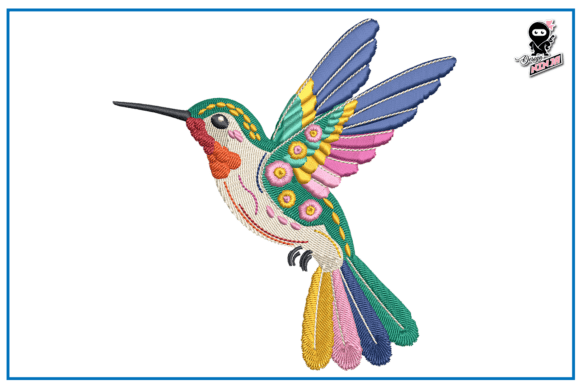
The moment I opened the preview for Hummingbird, the first thing that struck me was its sense of motion. Unlike many static bird designs that look like stiff illustrations, this one captures the hover of a hummingbird mid-flight. The layout feels organic, with a flow that suggests energy rather than rigidity. For a handmade product, this dynamic quality is crucial. It stops the design from looking like a generic clipart transfer and gives it the feel of a custom illustration.
The detail level strikes a balance that is often hard to find. There is enough intricacy in the wing definition to make it interesting, but it doesn't seem so dense that it would turn into a solid block of thread on smaller items. The visual personality is whimsical yet refined, making it versatile enough for a high-end boutique label or a cozy personalized gift for a neighbor. It avoids the overly cartoonish trap that some bird designs fall into, maintaining a level of sophistication that appeals to adult buyers as much as children.
Real-World Application: From Tote Bags to Sweatshirts
To truly test the viability of Hummingbird, I mentally placed it into several real-life scenarios that I encounter regularly in my craft business. Imagine a customer ordering a set of reusable grocery bags. A tote bag design needs to be durable and visible from a distance. The silhouette of this hummingbird is strong enough to read well even from across a room, making it an excellent candidate for canvas totes where you want immediate visual impact.
On the other hand, consider sweatshirt embroidery. Fleece and French terry can be tricky; they have a texture that can swallow fine details. Because Hummingbird appears to utilize a mix of fill stitch for the body and potentially finer satin stitch or running stitch for the outline and wing details, it should hold up well on thicker fabrics. The design doesn't rely solely on tiny, isolated stitches that might get lost in the nap of a sweatshirt. This makes it a safe bet for custom apparel lines where consistency is key.
I also see huge potential for this design in the nursery market. Baby embroidery requires softness and charm without being overwhelming. Placed on a bib or a onesie, the gentle curves of the hummingbird could add a sweet, nature-inspired touch. However, for baby items, I would recommend scaling the design down slightly to ensure it doesn't dominate the small garment, keeping the stitch density in check so the fabric remains soft against sensitive skin.
Technical Considerations and Fabric Challenges
While the design is promising, a professional review must address where caution is needed. If you are planning to use Hummingbird on dark fabric, you need to pay close attention to the thread colors specified in the embroidery file. Dark backgrounds require careful underlay management to prevent the fabric from showing through the lighter threads of the bird's chest or wings. If the design lacks sufficient underlay stitching, you might need to manually adjust your machine settings or add a layer of white stabilizer beneath the design to make the colors pop.
Curved surfaces present another challenge. If you are applying this to a cap or a structured hat, the center of the bird needs to align perfectly with the curve of the crown. Designs with long, horizontal spans can sometimes distort on caps. Given the hovering posture of this hummingbird, it should adapt reasonably well, but I would strongly advise running a test on a scrap piece of the same curved material first. Similarly, for stretchy fabrics like performance tees, the use of a cut-away stabilizer is non-negotiable to prevent the design from warping after the first wash.
Small hoop sizes are another factor. If you are working with a 4x4 hoop, you need to verify the dimensions of the design file. If Hummingbird is available in multiple sizes, choose the one that fits your hoop without crowding the edges. Crowding can lead to hoop burns or incomplete stitching, which ruins the professionalism of the finished product.
Commercial Value and Brand Consistency
For Etsy sellers and small shop owners, the visual appeal of a design directly translates to customer trust. A crisp, well-executed embroidery design signals quality. If you are selling embroidered patch goods or home decor like pillow covers, the clarity of the Hummingbird design can elevate the perceived value of the item. Customers are willing to pay more for products that look professionally made rather than hastily stitched.
Consistency is vital for branding. If you are building a collection around nature themes, this design fits seamlessly alongside floral or botanical motifs. It works beautifully for holiday embroidery projects too—think of spring-themed table runners or Mother's Day gifts. The universal appeal of birds means it rarely goes out of style, ensuring your inventory remains relevant season after season.
Designer Notes for Best Results
Before you start stitching for a client or listing a new item in your shop, here are a few practical steps I recommend:
- Test on Scrap Fabric: Always stitch a sample on the exact same fabric type you intend to use for the final product. This reveals issues with tension or density immediately.
- Check Thread Contrast: Ensure your thread chart provides enough contrast between the bird and the background, especially if you plan to offer customization.
- Review Stitch Density: If the design feels too stiff on your test run, consider reducing the density slightly in your editing software, provided you have the rights to modify the file.
- Verify Licensing: Since this is a potential asset for a craft business, confirm the license terms. Can you sell the physical finished items? Are there restrictions on the number of units? Never assume; always read the fine print regarding commercial embroidery usage.
- Mockup Testing: Create printable mockups with the design on both light and dark backgrounds to show customers exactly what they are buying. This reduces returns and manages expectations.
In conclusion, the Hummingbird design offers a blend of artistic flair and practical usability that makes it a strong contender for various design assets in your library. Whether you are decorating a kitchen towel or creating a signature line of small shop product apparel, this design has the versatility to perform well, provided you respect the technical nuances of your materials. It's a reminder that in the world of Embroidery, the best designs are those that not only look good on a catalog but thrive in the hands of a maker creating something real.