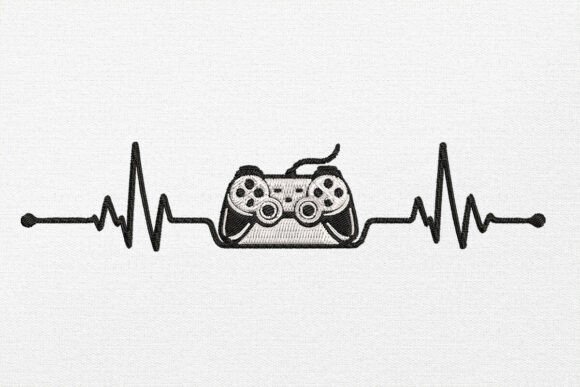
Heartbeat Embroidery Design Game: A Designer's Review
As a designer who spends more time staring at stitch simulations than most people care to admit, I approach every new machine embroidery design with a mix of curiosity and skepticism. The market is flooded with generic motifs, so when I stumbled upon the Heartbeat Embroidery Design Game, I wanted to see if it held up under the scrutiny of real-world application. This isn't just about whether the lines look pretty on a screen; it's about how those lines translate into thread, how they behave on different fabric textures, and whether they can elevate a handmade product from "cute craft" to "boutique quality."
The first impression of this design is its deceptive simplicity. It features elegant wildflowers intertwined with a minimalist heartbeat line, creating a mood that is both organic and rhythmic. For those of us in the craft business, visual personality is everything. This design avoids the clutter often found in floral patterns, opting instead for a clean, modern aesthetic that feels incredibly current. It speaks to the modern embroidery lover who appreciates negative space as much as the stitching itself. However, minimalism in an embroidery file can be a double-edged sword; there is nowhere to hide if the digitizing isn't precise.
Putting the Design to the Test: A Real-World Scenario
To truly evaluate the Heartbeat Embroidery Design Game, I envisioned a specific project: a custom linen tote bag for a local boutique specializing in wellness gifts. The goal was to create a personalized gift option that felt sophisticated rather than childish. I loaded the design into my software to inspect the stitch path before even touching the hoop.
The layout suggests a strong potential for sweatshirt embroidery or lightweight apparel. The flowing nature of the wildflowers combined with the linear pulse of the heartbeat creates a dynamic shape that moves well with the drape of fabric. In my mental mockup, I pictured this stitched in a monochromatic scheme—perhaps sage green thread on natural linen or charcoal on a heather grey tee. The design's lack of heavy fill stitch areas means it won't add unnecessary bulk, which is crucial for wearable items like custom apparel where comfort is king.
For an Etsy seller looking to expand their catalog, this design fits perfectly into the "self-care" and "nature-inspired" niches. It works beautifully as a central motif on a pillow cover or as a subtle accent on a kitchen towel. The versatility here is high; it doesn't scream "nursery" exclusively, though it would make a stunning piece of baby embroidery for a birth announcement blanket. Instead, it bridges the gap between home decor and fashion, making it a valuable asset for a small shop product line.
Technical Performance and Stitching Clarity
When discussing technical execution, the distinction between a running stitch and a satin stitch becomes vital. Based on the minimalist description, this design likely relies heavily on fine running stitches to achieve its delicate look. While this enhances the artistic flair, it requires careful handling during the stitching process. On textured fabrics like terry cloth or heavy canvas, fine lines can get lost or appear jagged. Therefore, I recommend testing this design on smooth, tightly woven materials first to ensure stitching clarity.
If you are planning to use this for an embroidered patch, pay close attention to the density. Patches require a higher stitch count to prevent fraying and maintain structure, but a design this minimal might need a satin border or a cut-out backing to function effectively as a standalone patch. Without proper reinforcement, the thin lines of the heartbeat could snag during daily wear.
Another consideration is the hoop size. While the design appears compact, ensuring you have the correct hoop dimensions is essential to avoid re-hooping or cutting off the delicate flower petals. Always check the specific file details provided by the creator, as digital embroidery files can vary in scaling. If the design includes tiny details, verify that your machine can handle the resolution without skipping stitches.
Where Caution is Required
Despite its charm, the Heartbeat Embroidery Design Game is not a one-size-fits-all solution. There are specific scenarios where this design demands extra caution. For instance, applying this to stretchy fabrics like jersey knit without a high-quality stabilizer is risky. The tension from the stitching could cause the fabric to pucker, distorting the elegant curves of the wildflowers. Similarly, dark fabrics present a challenge; if the design relies on light thread colors, you must ensure the opacity is sufficient so the fabric doesn't show through the gaps in the minimal stitching.
Curved surfaces, such as caps or hats, also pose a difficulty. The linear element of the heartbeat needs a flat plane to look straight and intentional. On a curved cap panel, perspective distortion might make the line look wavy or uneven unless the design is specifically digitized for headwear. Furthermore, products that undergo frequent washing, like aprons or baby clothes, need durable stitching. Fine lines are more prone to breaking over time compared to dense fill areas, so advising customers on gentle care instructions is part of maintaining brand consistency and customer trust.
Enhancing Visual Appeal and Brand Value
Ultimately, the value of any design assets lies in how they affect the perceived quality of the finished product. The Heartbeat Embroidery Design Game has the potential to significantly boost visual appeal due to its trendy, minimalist vibe. In a marketplace saturated with loud, colorful designs, this understated elegance stands out. It signals professionalism and a keen eye for contemporary trends, which can increase buyer engagement and justify a higher price point for your handmade goods.
For those creating printable mockups or digital previews, this design photographs exceptionally well. The clean lines translate clearly in images, making it ideal for online listings where customers can't touch the product. Whether used for holiday embroidery gifts or wedding favors, the emotional resonance of the heartbeat motif combined with the growth symbol of wildflowers adds a layer of storytelling that customers love.
Practical Notes for the Professional Maker
Before committing to a production run or listing this as a commercial item, here are my top recommendations:
- Test on Scrap Fabric: Always stitch a sample on the exact material you intend to sell. Check how the thread interacts with the weave.
- Check Thread Contrast: Experiment with contrasting thread colors to see if the minimal lines pop enough against your chosen background.
- Review Stitch Density: Ensure the density isn't too low for the fabric type, which could lead to gaps, or too high, causing stiffness.
- Inspect Small Details: Zoom in on the flower petals and the heartbeat line ends to ensure they are tied off securely.
- Verify Licensing: Since this falls under broader categories like Toys Games or general crafts depending on the platform, confirm if the license allows for unlimited commercial sales of finished physical goods.
- Stabilizer Selection: Use a tear-away stabilizer for stable fabrics and a cut-away for stretchy materials to support the fine lines.
In conclusion, the Heartbeat Embroidery Design Game is a thoughtful addition to any designer's library. It offers a blend of artistic expression and practical utility that, when handled with care, can result in stunning commercial embroidery projects. It rewards the maker who pays attention to detail and understands the nuances of their materials. For the creative entrepreneur willing to test and refine their approach, this design is a solid investment that can help build a cohesive and attractive product line.