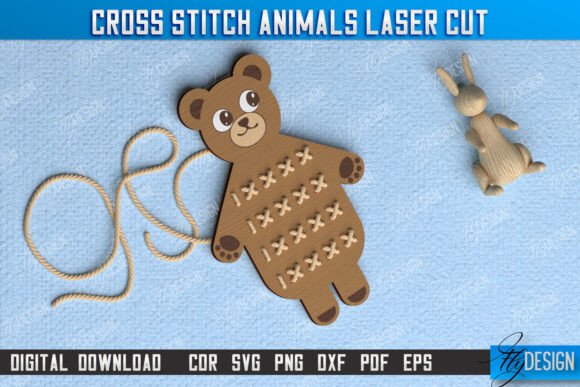
Cross Stitch Bear Montessori Lacing Review
As an embroidery designer who has spent countless weekends setting up booth displays at local craft fairs, I know that the difference between a slow Saturday and a sold-out inventory often comes down to one thing: product versatility. When I first pulled up the Cross Stitch Bear Montessori Lacing file on my screen, my immediate reaction was not just about the stitches, but about the potential finished product. This isn't just another cute animal motif; it is a functional concept disguised as art. In the world of handmade product sales, items that offer interactivity or educational value tend to stop parents in their tracks. My goal in this review is to evaluate how this specific design translates from a digital asset to a high-margin craft fair product that can elevate a small shop's inventory.
First Impressions and Aesthetic Appeal
The visual language of Cross Stitch Bear Montessori Lacing strikes a perfect balance between rustic charm and modern educational trends. It feels undeniably "soft" and inviting, leveraging the nostalgia of traditional cross-stitch while applying it to a contemporary Montessori framework. For a boutique maker, this aesthetic is gold. It fits seamlessly into booths that feature farmhouse decor, neutral nursery items, or eco-friendly children's goods. Unlike loud, neon graphics that might clash with a curated display, this design offers a gentle, premium look that suggests high-quality commercial embroidery. The bear motif is universally appealing, but the "lacing" element adds a layer of intrigue. It signals to the customer that this is more than decoration; it is a tool for development. This dual nature makes it a standout piece in a sea of standard tote bag design options or generic pillow covers.
Strategic Product Applications for Market Sales
When planning my table layout, I am always looking for designs that perform well across various substrates. Cross Stitch Bear Montessori Lacing shines particularly bright on specific items. First, consider apron embroidery. A child-sized apron featuring this bear becomes an instant bestseller for grandparents and parents looking for engaging kitchen activities. The design works as a large focal point on the bib area, drawing the eye immediately.
Similarly, tea towel embroidery is a strong contender. However, one must be mindful of the fabric texture. Waffle weave or heavy linen towels can sometimes obscure fine details, so testing is crucial. If the lacing holes are part of the embroidery simulation, they need to be spaced widely enough to remain visible against the towel's weave. For a higher price point, applying this to a canvas market bag creates a durable, reusable item that markets itself as both stylish and functional.
I also see immense potential for embroidered patch production. By stitching this design onto twill and cutting it out, you create a versatile accessory that customers can iron onto denim jackets or backpacks. This allows you to sell the same digital embroidery file output in multiple forms without re-stitching entire garments. Furthermore, for the Etsy seller focusing on home decor, this design translates beautifully onto pillow covers. The neutral tones typically associated with Montessori themes mean this will complement almost any nursery color scheme, reducing buyer hesitation.
Production Realities and Practical Considerations
While the concept is brilliant, turning Cross Stitch Bear Montessori Lacing into a profitable small shop product requires careful attention to production details. As a designer, my first rule is to never assume a file is ready for prime time without a test run. You must stitch this out on scrap fabric first. Pay close attention to the stitch density. If the simulated cross-stitch blocks are too dense, they can cause puckering, especially on lighter fabrics like cotton tees or thin tote bags. Conversely, if they are too sparse, the "cross" effect gets lost, and the bear looks pixelated rather than crafted.
Another critical factor is the hoop size. Depending on the scale of the lacing elements, you may need a larger hoop to accommodate the full design without re-hooping, which saves time during batch production. Speaking of batching, this design seems highly repeatable. Once you have your thread colors mapped out—likely earthy browns, creams, and soft greens—you can churn these out efficiently. However, do not overlook the importance of the right stabilizer. For items like caps or textured pouches, a cut-away stabilizer is often necessary to prevent the design from sinking into the fabric over time, preserving that crisp, handmade quality.
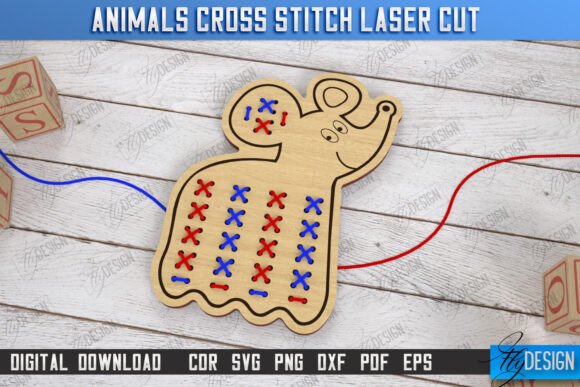
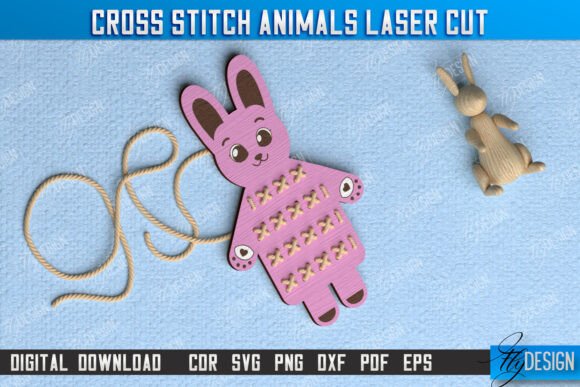
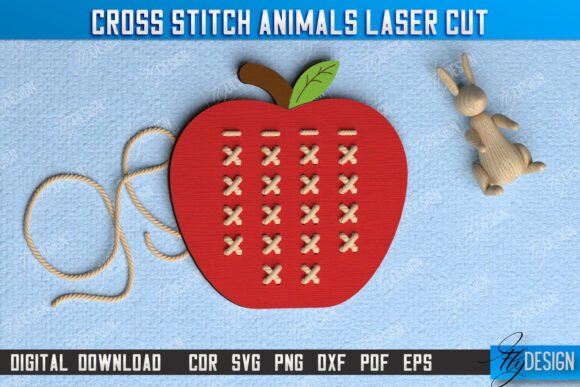
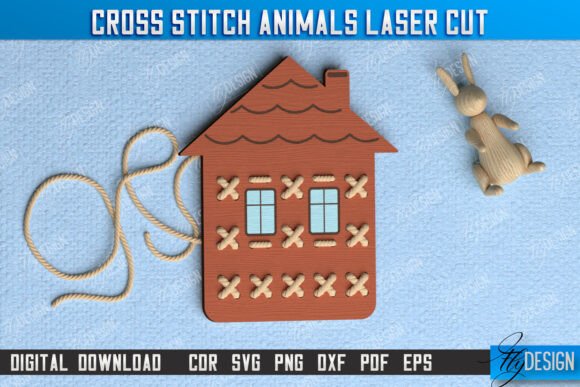
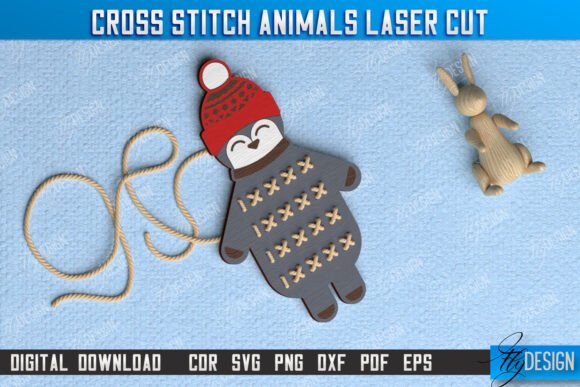
There is a unique note regarding the product description mentioning Laser Cutting and CNC files with red cut lines and black engrave lines. As an embroiderer, this suggests a hybrid opportunity. If you have access to laser cutting, you could potentially create a wooden lacing board using the vector data and use the embroidery file to create a matching fabric carry-pouch or storage bag. This creates a cohesive gift set that dramatically increases the perceived value of your booth offerings. If you are strictly an embroiderer, ensure you are purchasing the correct design assets for your machine, as the laser instructions do not apply to needle-and-thread production.
Maximizing Visual Impact and Buyer Engagement
In a crowded craft fair aisle, visual clarity is king. Cross Stitch Bear Montessori Lacing has the advantage of being easily understood at a glance. The silhouette of the bear is distinct, and the "lacing" aspect invites touch. I recommend creating a physical sample where the lacing is functional—perhaps using a real leather cord threaded through reinforced eyelets near the embroidered bear. This tactile element stops browsers and turns them into buyers. It demonstrates the handmade quality and thoughtfulness behind your brand.
For online listings, this design photographs exceptionally well. The texture of the stitches catches light beautifully, making it ideal for printable mockup creation or flat-lay photography. High-contrast images showing the detail of the cross-stitches against a clean background will perform well on social media and Etsy. Just be cautious with dark fabrics; while they look premium, ensure your thread colors provide enough contrast so the design doesn't get lost in the shadows of the booth lighting.
Final Verdict for the Creative Entrepreneur
Ultimately, Cross Stitch Bear Montessori Lacing is a versatile, high-potential design for the serious maker. It bridges the gap between decorative art and educational utility, a niche that is currently underserved in many local markets. Whether you are selling Other Toys Games or focusing on textile goods, this design adds a layer of sophistication to your lineup. Remember to verify all technical specs, such as exact dimensions and licensing terms, directly from the file provider before committing to a large production run. With the right fabric choices, proper stabilization, and a strategic display, this design can become a cornerstone of your seasonal collection, driving both foot traffic at fairs and clicks in your online store.